· News
MEsME launches officially at the 4th International Conference in Muscat
The society will be formally launched at the 4th International Conference of Microbial Ecology and Biotechnology, held in Muscat, Oman, from 11 to 15 October 2026.
Resources & news
Stay updated with the latest breakthroughs in regional microbiology.
News
· News
The society will be formally launched at the 4th International Conference of Microbial Ecology and Biotechnology, held in Muscat, Oman, from 11 to 15 October 2026.
· News
The Founding Committee met at NYU Abu Dhabi to found the society. The bylaws were drafted on the day and approved unanimously.
Ecosystem spotlights
In-depth features on the unique microbial life within MENA’s deserts, seas, and extreme environments. More detailed spotlights will be added here.
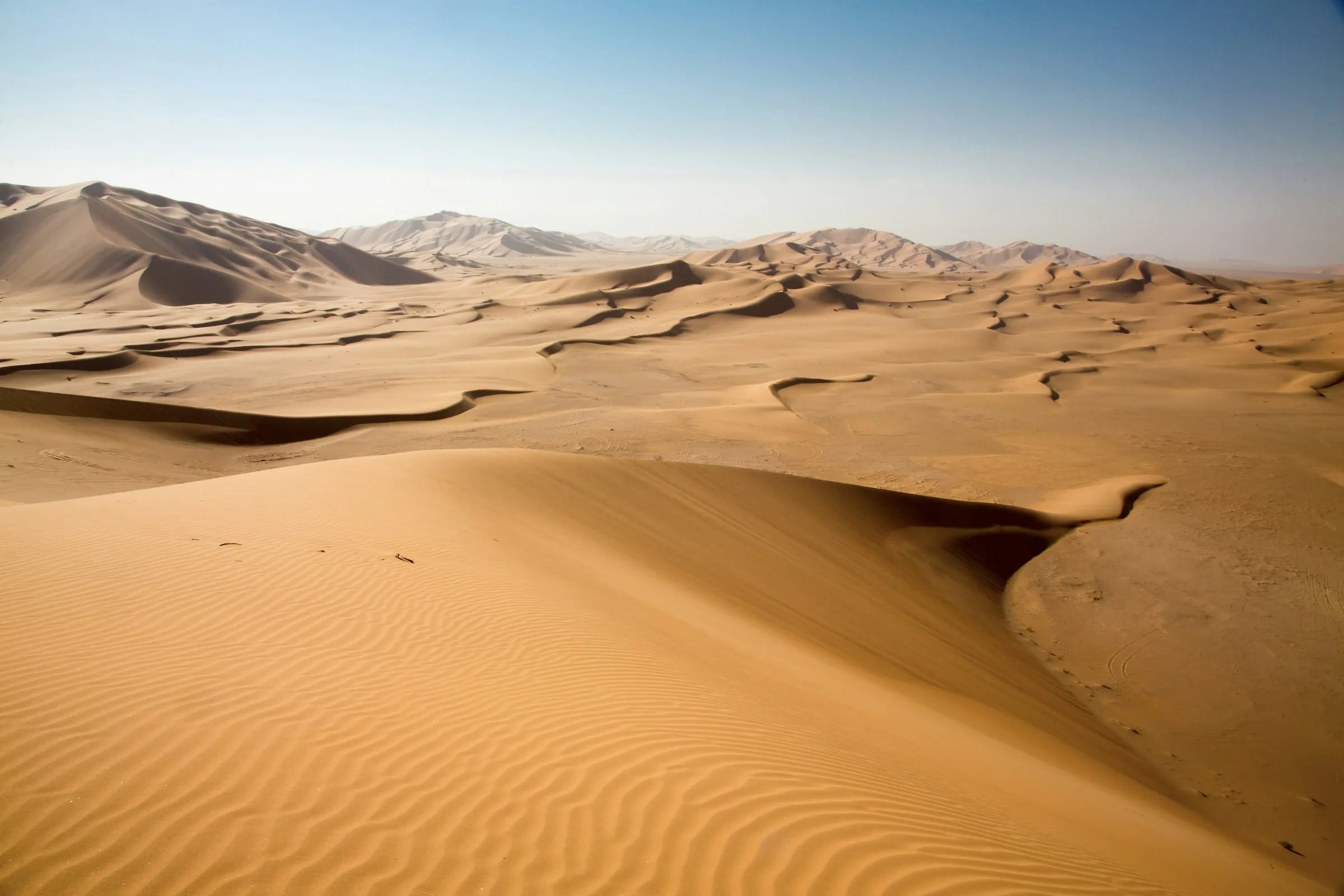
Rub’ al Khali · 20°N 50°E
The Empty Quarter covers some 650,000 km² across Saudi Arabia, Oman, the UAE and Yemen. Its soils and biological crusts hold microbial communities that survive extreme heat, intense sunlight and long dry spells, offering clues for dryland agriculture and soil restoration.
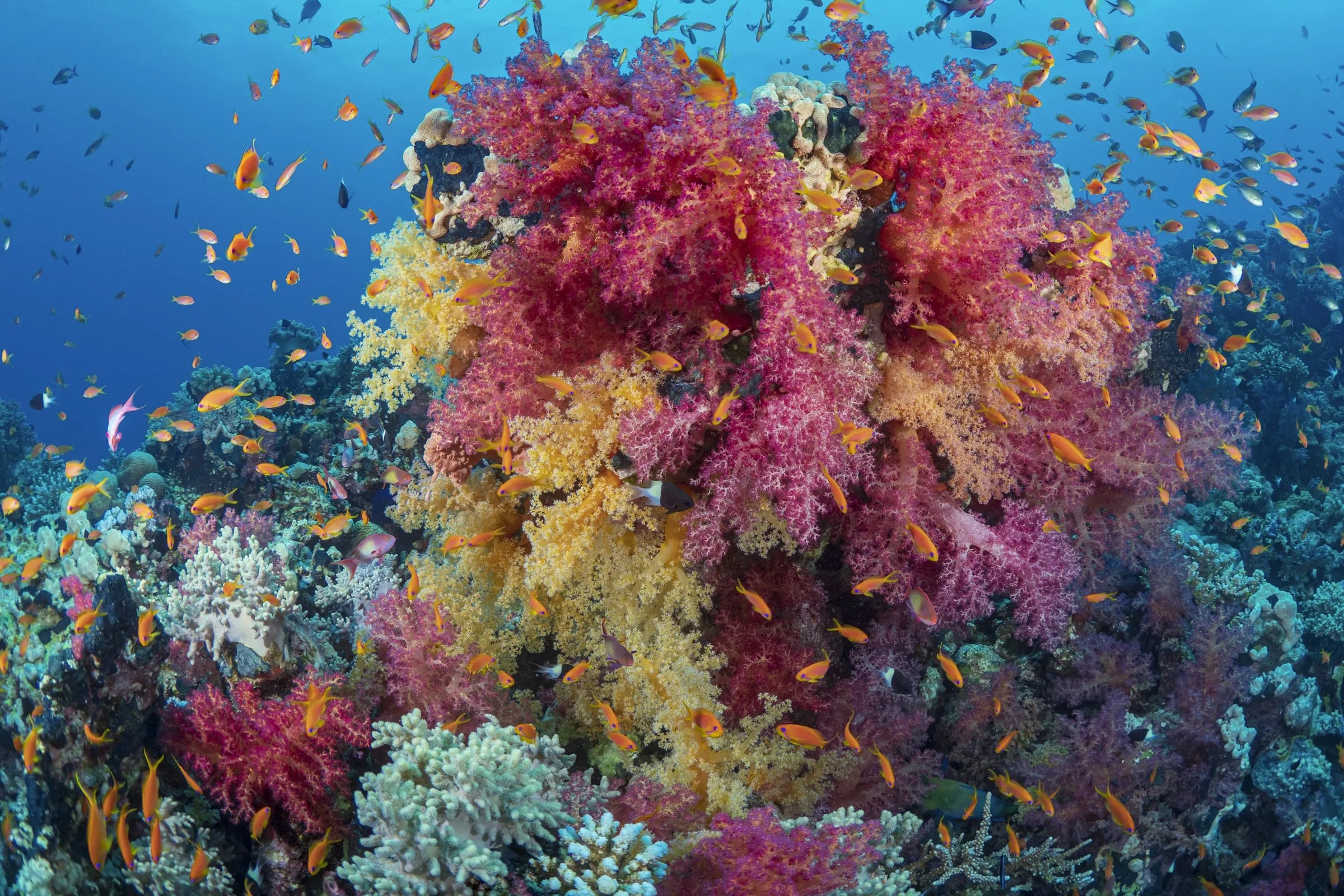
Red Sea · 22°N 38°E
Red Sea reefs thrive in conditions that would stress corals elsewhere. Studying the microbial partners of corals here helps explain how reef ecosystems respond to heat, and informs efforts to protect reefs worldwide.
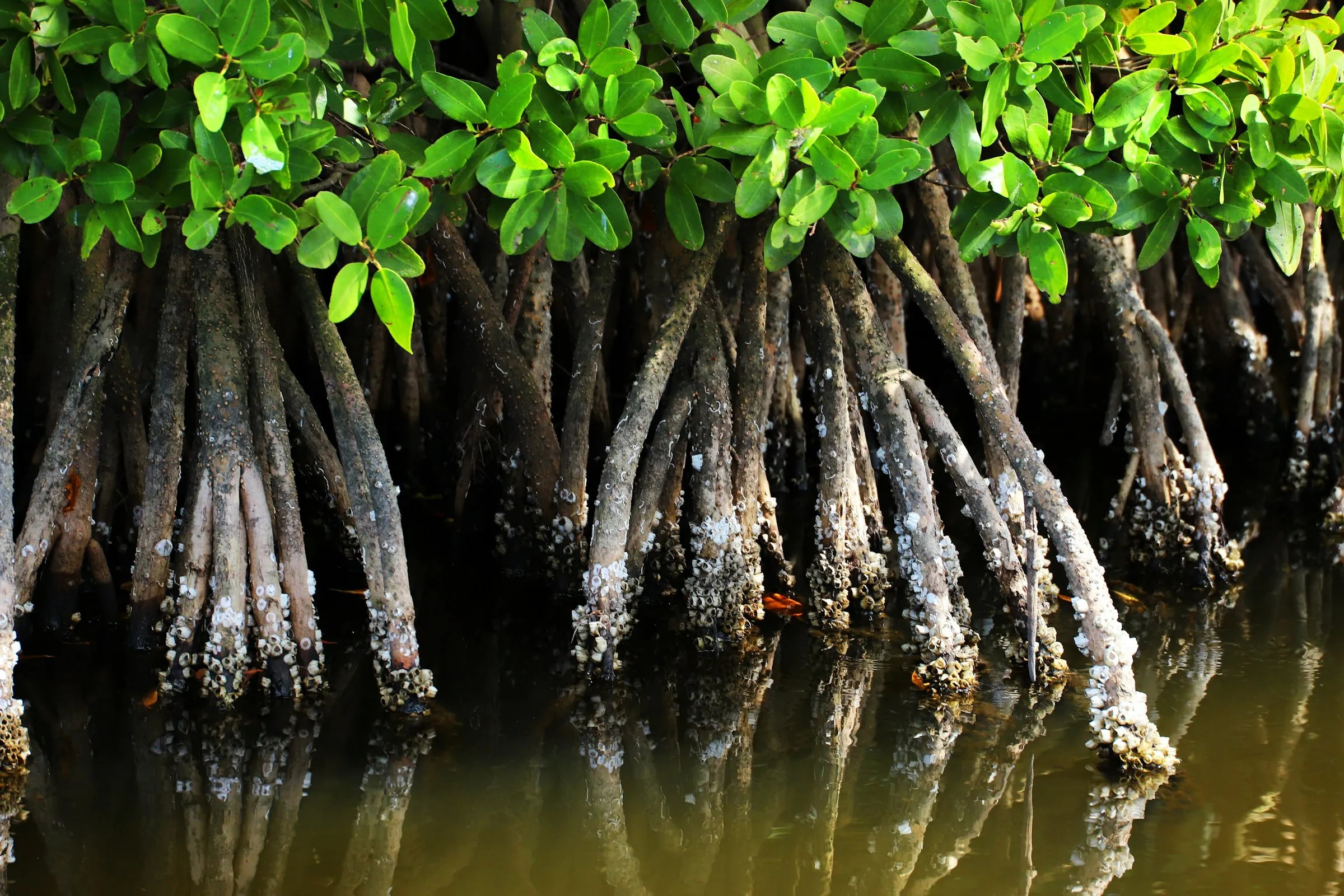
Arabian Gulf coast · 24.4°N 54.4°E
Grey mangroves (Avicennia marina) line sheltered coasts of the Gulf. The microbes in their waterlogged sediments drive carbon storage and nutrient cycling in one of the region’s most productive coastal habitats.
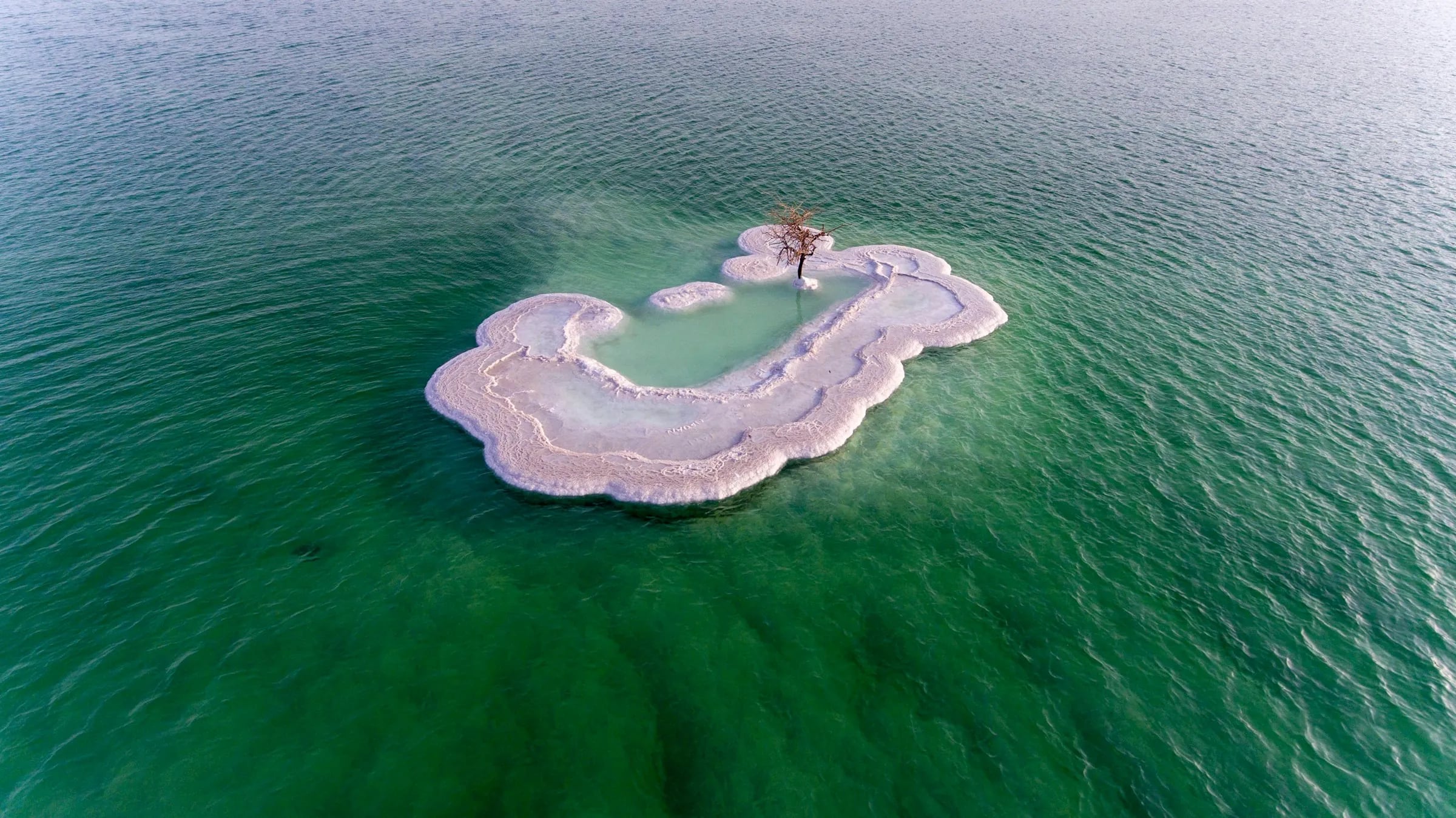
Dead Sea basin · 31.5°N 35.5°E
From the Dead Sea to the coastal sabkhas of the Gulf, salt-saturated environments are home to halophilic microbes and layered microbial mats, organisms with unusual biochemistry and long histories of interest to biotechnology.
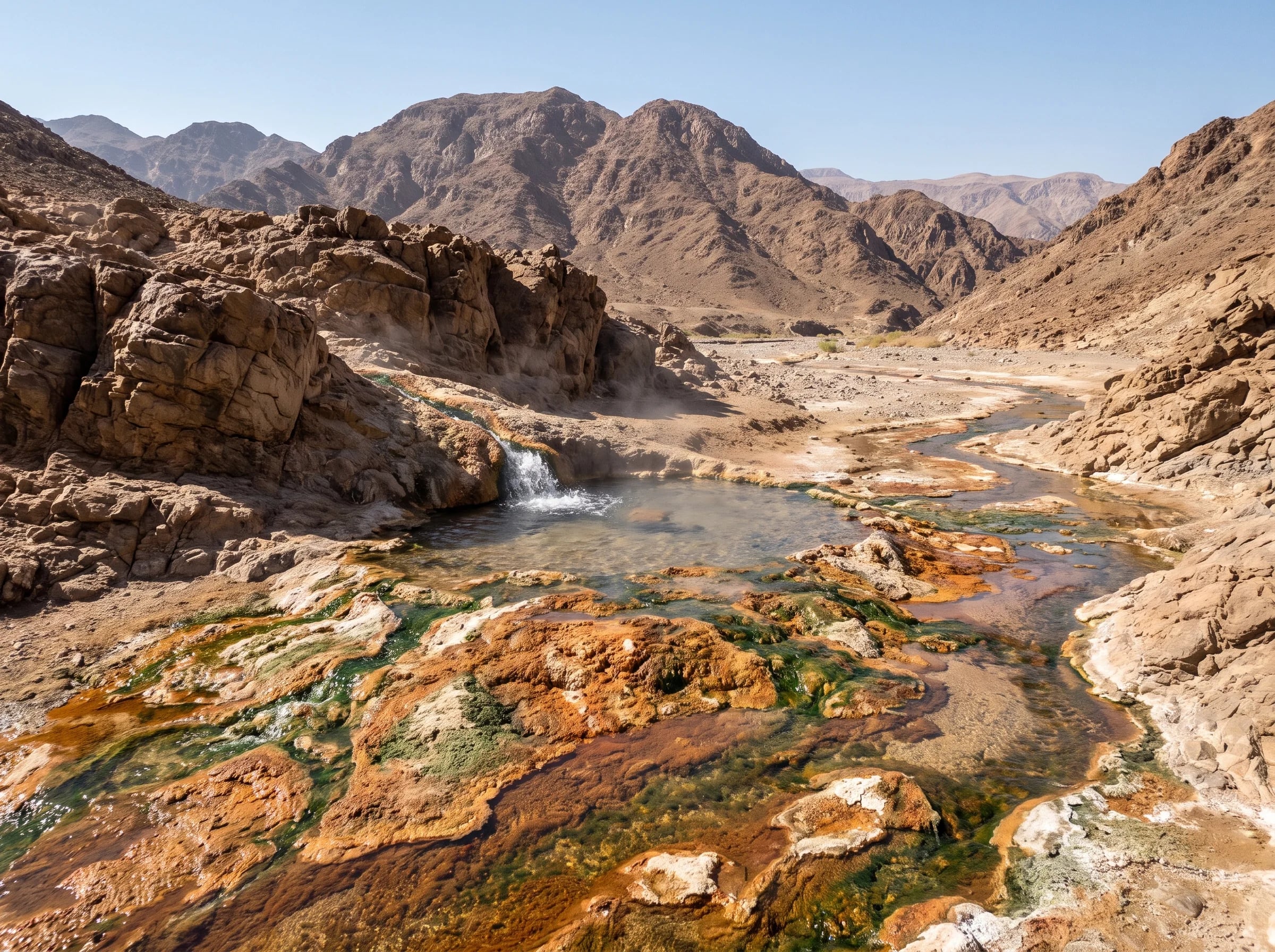
Across the region
Thermophilic microbes in the region’s hot springs produce enzymes that stay stable at high temperatures, a long-standing source of tools for research and industry.
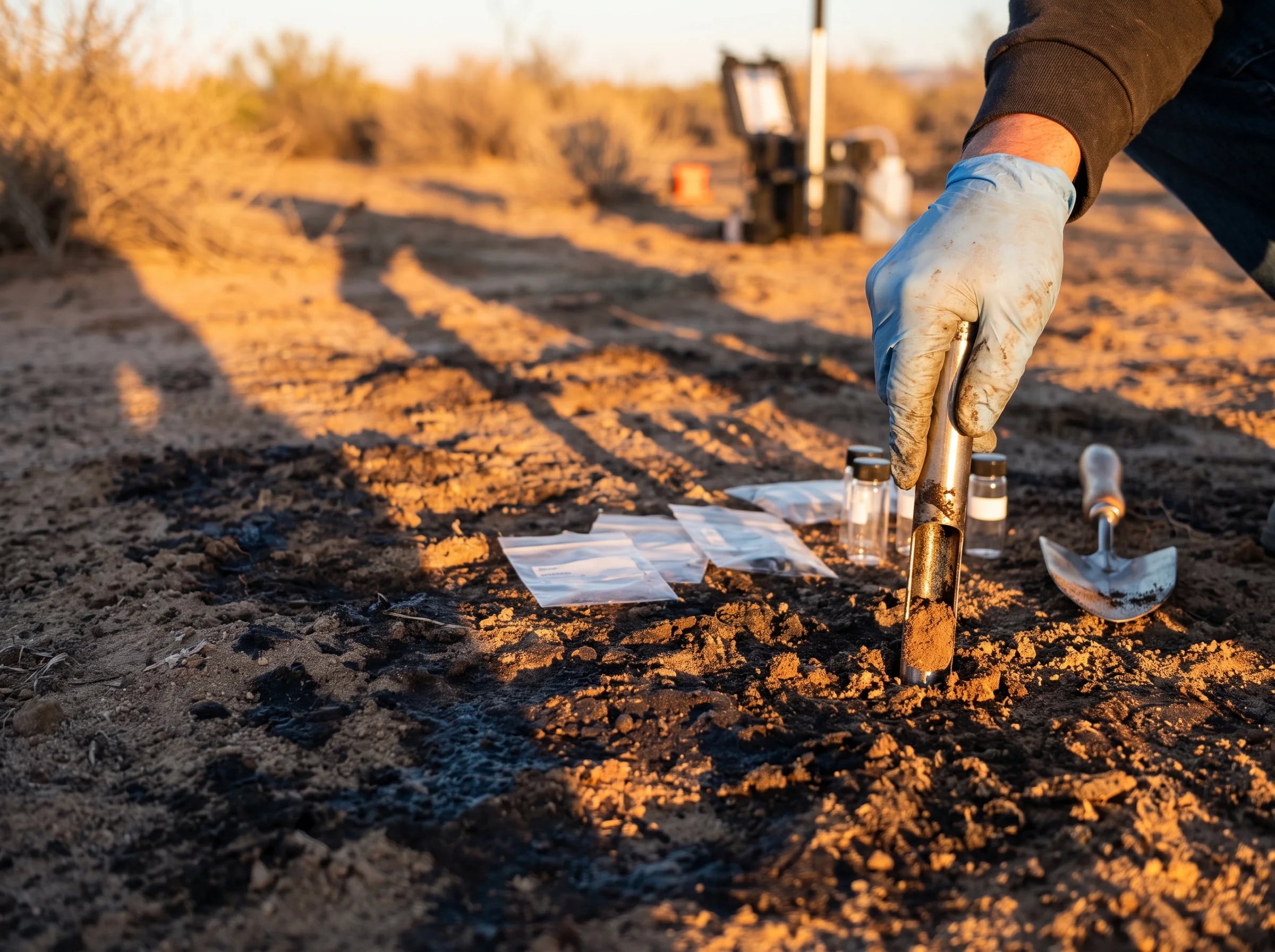
Across the region
Soils and sediments exposed to oil host microbial communities able to degrade hydrocarbons, the basis for bioremediation approaches suited to local conditions.
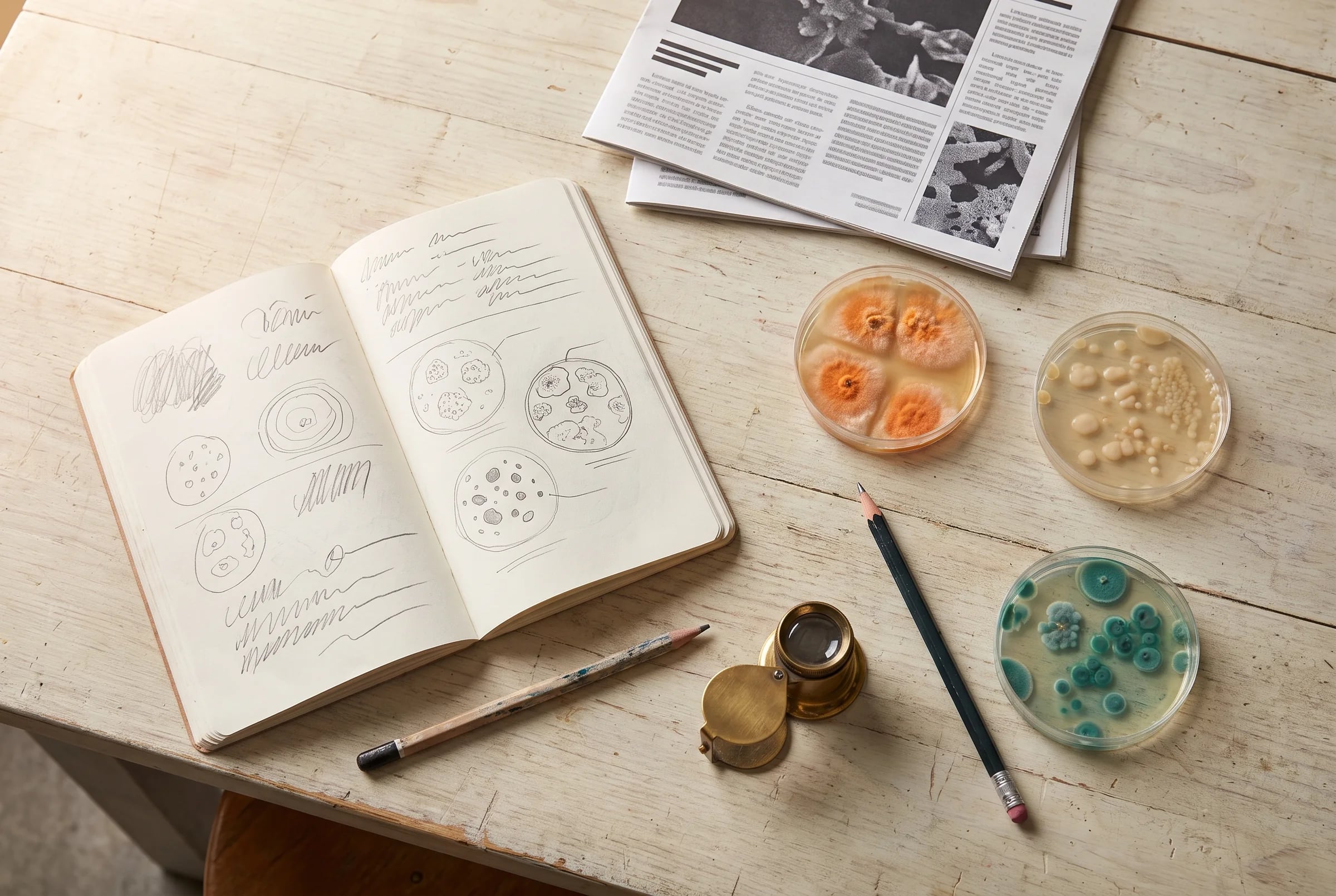
Regular updates on regional research findings and society news.
The first issue is in preparation. Members receive every issue by email.
Become a memberResources designed for both professionals and public awareness.
Teaching material and public guides will be published here. If you’d like to contribute, get in touch.
Offer material